The Reality Check: When the Numbers Don't Add Up
Every startup founder has been there. You spend weeks scouting creators, negotiating rates, and shipping products. The post goes live, you refresh your dashboard, and... nothing. No spike in traffic, no surge in signups, just a few likes and a lot of silence.
It is tempting to blame the creator or conclude that influencer marketing doesn't work for your niche. However, a failed campaign is rarely a total loss; it is usually a data point telling you that one specific part of your funnel is broken. In 2025, the margin for error is slim, and distribution is a game of precision.
If your recent efforts haven't delivered, you don't need to quit—you need a diagnostic. You need to look under the hood of your startup influencer marketing strategy to find the specific friction point that killed the conversion.
The Diagnostic: Identifying the Failure Point
A partnership fails in one of three places: the Match, the Message, or the Mechanism.
- The Match: You reached a million people, but none of them care about your problem.
- The Message: The content was entertaining, but it didn't explain why anyone should buy.
- The Mechanism: Your landing page was confusing, or your discount code didn't work.
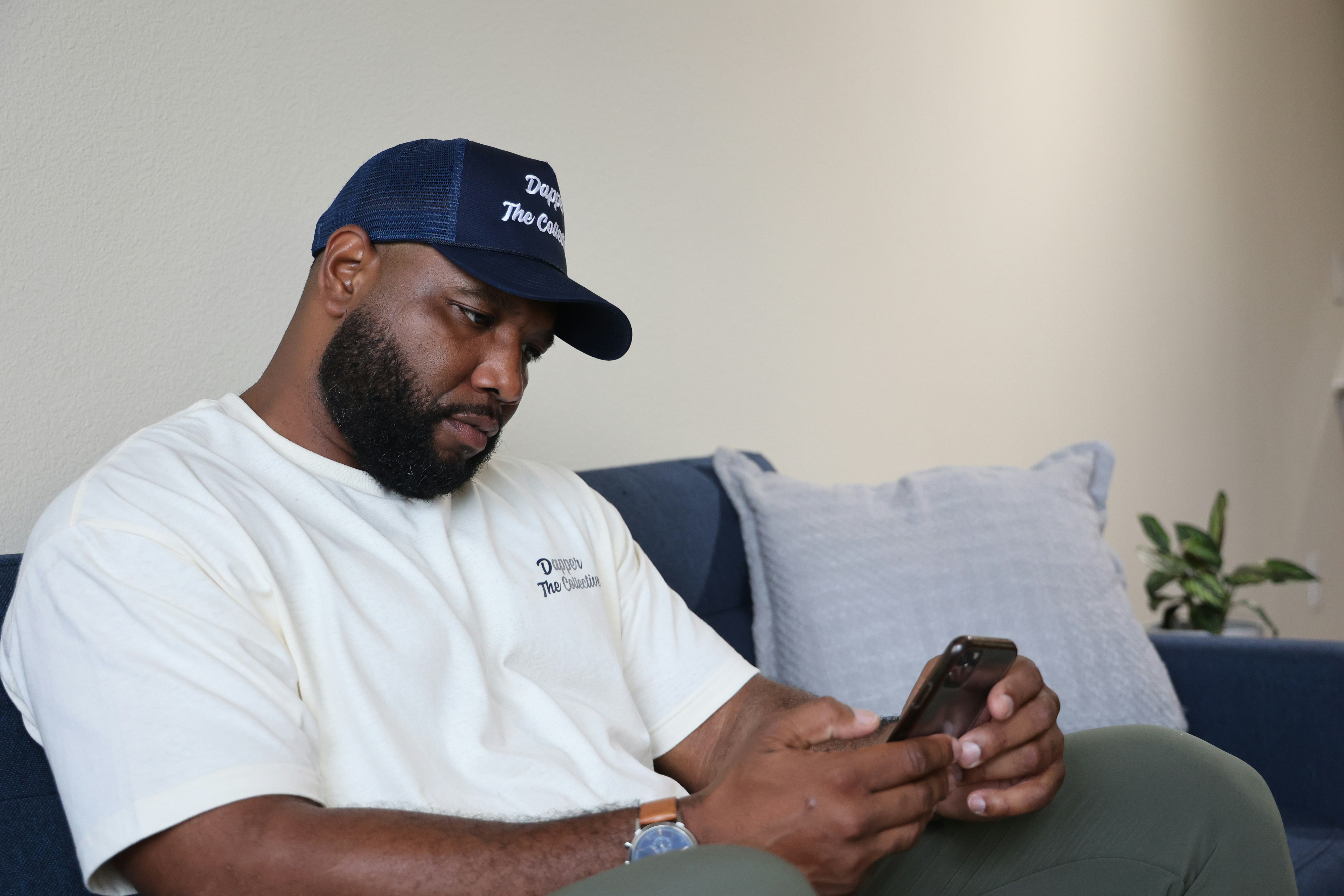
The 5-Point Campaign Autopsy
1. The Alignment Audit (Was the Match Real?)
Did you pick the creator because you liked their content, or because their audience has the problem you solve?
- The Fix: Use a startup influencer matching platform like Collab Tower to rely on compatibility scores rather than "vibes." If your match score is below 80%, the likelihood of conversion drops significantly.
2. The Hook-to-Action Gap
If your video has high views but low click-through rates (CTR), the "Hook" worked, but the "Call to Action" (CTA) failed.
- The Fix: Ensure the creator mentions the specific benefit within the first 10 seconds and gives a clear instruction at the end. "Click the link in my bio to save 5 hours this week" is better than "Check them out."
3. The Trust Barrier
If you are getting clicks but no sales, the audience doesn't trust the offer yet. This is common for AI startups or Fintech brands.
- The Fix: You likely need more than one touchpoint. Move from one-off posts to "Story Sequences" or long-term startup partnerships where the creator uses the product over several weeks.
4. Technical Friction (The Silent Killer)
Did you test your UTM links on an Android, an iPhone, and a desktop? Did your site crash under the load?
- The Fix: Simplify the path to purchase. If you are an e-commerce brand, use TikTok Shop or Instagram Checkout to keep the user inside the app. If you are SaaS, ensure your "Trial" doesn't require a 20-field form.
5. The Content Context
Did the ad look too much like an ad? In 2025, audiences have a high "Ad Allergy."
- The Fix: Give creators more freedom. The best performing content often looks "Lo-Fi" and unpolished. If your brief was too restrictive, you likely stifled the authenticity that drives sales.

Key Benefits of Failing Early (and Small)
- Refined ICP: A failed campaign often tells you exactly who not to target, which is just as valuable as knowing who to target.
- Messaging Clarity: If one creator’s angle worked while four others failed, you have found your "Winning Narrative."
- System Hardening: Every technical failure is an opportunity to fix your campaign analytics for the next, larger launch.
Common Mistakes to Stop Making Immediately
Mistake 1: Judging Too Fast Don't declare a campaign a failure after 24 hours. Some platforms, like YouTube or Pinterest, have a "Slow Burn" and can drive traffic for months.
Mistake 2: Scaling a Leaky Bucket Never hire 20 creators at once if you haven't proven the concept with three. Test your messaging on a small scale through Collab Tower before committing your entire runway.
Mistake 3: Blaming the Creator for Low Site Conversions The creator's job is to get people to your door. Your website's job is to get them to buy. If they arrived and didn't sign up, that is a product or landing page problem, not a creator problem.

Pro Tips for Campaign Recovery
- The "Pivot" Brief: If a campaign is stalling, ask the creator to do a "Reply to Comment" video. Addressing a user's specific doubt can often trigger a wave of conversions that the original post missed.
- A/B Test the Landing Page: Use a tool like Google Optimize to show different versions of your site to different creator audiences.
- Leverage Native Tools: If a campaign is failing on the web, try moving the same creator content to a native social shop environment.
How Collab Tower Prevents Campaign Failure
Collab Tower is built to remove the "Guesswork" that leads to failed campaigns. Our intent-based matching ensures that both the startup and the creator are aligned on the goal before the first message is sent.
By helping you reach out to influencers who are a high-scoring match for your specific niche, we significantly reduce the risk of "Alignment Failure." We provide the data you need to find the right influencer the first time.

Real World Example: The "Zero Conversion" Turnaround
A wellness startup matched with 5 fitness creators and saw zero sales in the first week. They used the 5-point diagnostic and realized their landing page was too slow on mobile devices. They fixed the page speed, asked the creators to post a "Follow-up" story showing the results after 7 days of use, and ended the month with a 4x ROI. The problem wasn't the creators; it was the mechanism.
Action Plan and Takeaways
- Step 1: Pick your worst-performing campaign from the last 90 days.
- Step 2: Run it through the 5-Point Diagnostic (Match, Hook, Trust, Tech, Context).
- Step 3: Identify the one specific change that would have saved the deal.
- Step 4: Head to Collab Tower and find a new match using your refined criteria.
Closing: Failure is Just Unfiltered Data
Every successful startup is built on a pile of small, corrected failures. Don't let one bad campaign stop your distribution. Use the data, fix the friction, and get back to matching.
Ready to find a match that actually converts? Join Collab Tower today and use our compatibility engine to build your next winner.